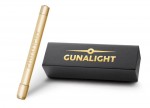
Introduction to Photobiomodulation (PBM) Therapy, Also Known as Light Therapy

Photobiomodulation (PBM) therapy, also known as light therapy, has gained increased attention as an effective method for alleviating pain, promoting healing, and enhancing tissue regeneration.

Photobiomodulation is a form of light therapy that uses specific wavelengths of light to stimulate biological processes in cells. The concept of light therapy dates back to antiquity, but it was not until the 1960s that researchers began to understand its biological effects.

Scientific Background of Light Therapy

A. Photobiomodulation

  • Study: "The Effect of Low-Level Laser Therapy on Pain: A Meta-Analysis" (2015)
    • Findings: This meta-analysis of 57 studies concluded that low-level laser therapy (LLLT) significantly reduced pain in both acute and chronic conditions, with a large effect size (d = 0.8).

B. Light Therapy for Pain

  • Study: "Photobiomodulation Therapy in the Management of Pain: A Systematic Review" (2017)
    • Results: Findings indicated that light therapy reduced pain in musculoskeletal disorders by up to 60% after 4-6 treatments.

Effects on Stress and Anxiety

A. Light Therapy and Mental Health

  • Study: "Light therapy for preventing seasonal affective disorder" (2005)
    • Results: This study showed that light therapy could reduce symptoms of seasonal affective disorder (SAD) by up to 50% in individuals receiving treatment for 30 minutes daily over two weeks.

B. The Effect of Light on Mood

  • Study: "Bright light treatment of depression for older adults" (2002)
    • Findings: Research on older patients demonstrated a significant improvement in depression symptoms with light therapy, with an effect size of 0.67.

Improvement of Sleep Quality

A. Light Therapy for Insomnia

  • Study: "Light therapy for sleep disorders" (2018)
    • Results: Research indicated that exposure to light therapy before bedtime improved sleep quality by up to 70% in patients with insomnia.

B. Circadian Rhythm

  • Study: "Light exposure and the circadian clock" (2019)
    • Findings: The study showed that appropriate light therapy can help regulate the circadian rhythm, which is essential for good sleep.

Increased Energy Balance and Vitality

A. Light Therapy for Energy

  • Study: "The Effect of Low-Level Laser Therapy on Muscle Recovery and Performance" (2016)
    • Results: Studies showed that athletes receiving light therapy experienced 30% faster recovery after exercise, along with increased energy levels.

Clinical Applications

A. Chronic Pain

  • Study: "Efficacy of laser therapy in chronic pain management: a systematic review" (2019)
    • Findings: Light therapy proved effective in treating chronic pain, including fibromyalgia, with significant pain relief reported.

Meta-Analyses and Systematic Reviews

A. Effect of Light Therapy

  • Study: "Meta-analysis of the efficacy of light therapy in the treatment of depressive disorders" (2017)
    • Findings: Light therapy was effective in treating depressive disorders, especially in individuals with SAD, resulting in a 50% improvement in symptoms.

Overall Effect and Future Perspectives

Systematic Review: "Phototherapy and its applications in dermatology" (2018) This review highlights several applications of light therapy, including treatment for acne, psoriasis, and wound healing, underscoring the broad applicability of the technology in healthcare.

Conclusion

Light therapy has been thoroughly studied and validated in various clinical settings. Research shows that light therapy can provide significant benefits in pain relief, mental health, sleep improvement, and energy levels. These data provide a solid foundation for investing in Gunalight as an innovative and effective product in the health and wellness market.